Journal · Charlotte

Build New vs. Buy Resale in Charlotte (2026): The Honest Take

Should you build new or buy a resale home in Charlotte? An honest, trade-off-by-trade-off comparison of cost, timeline, location, and the things the model home won't tell you.
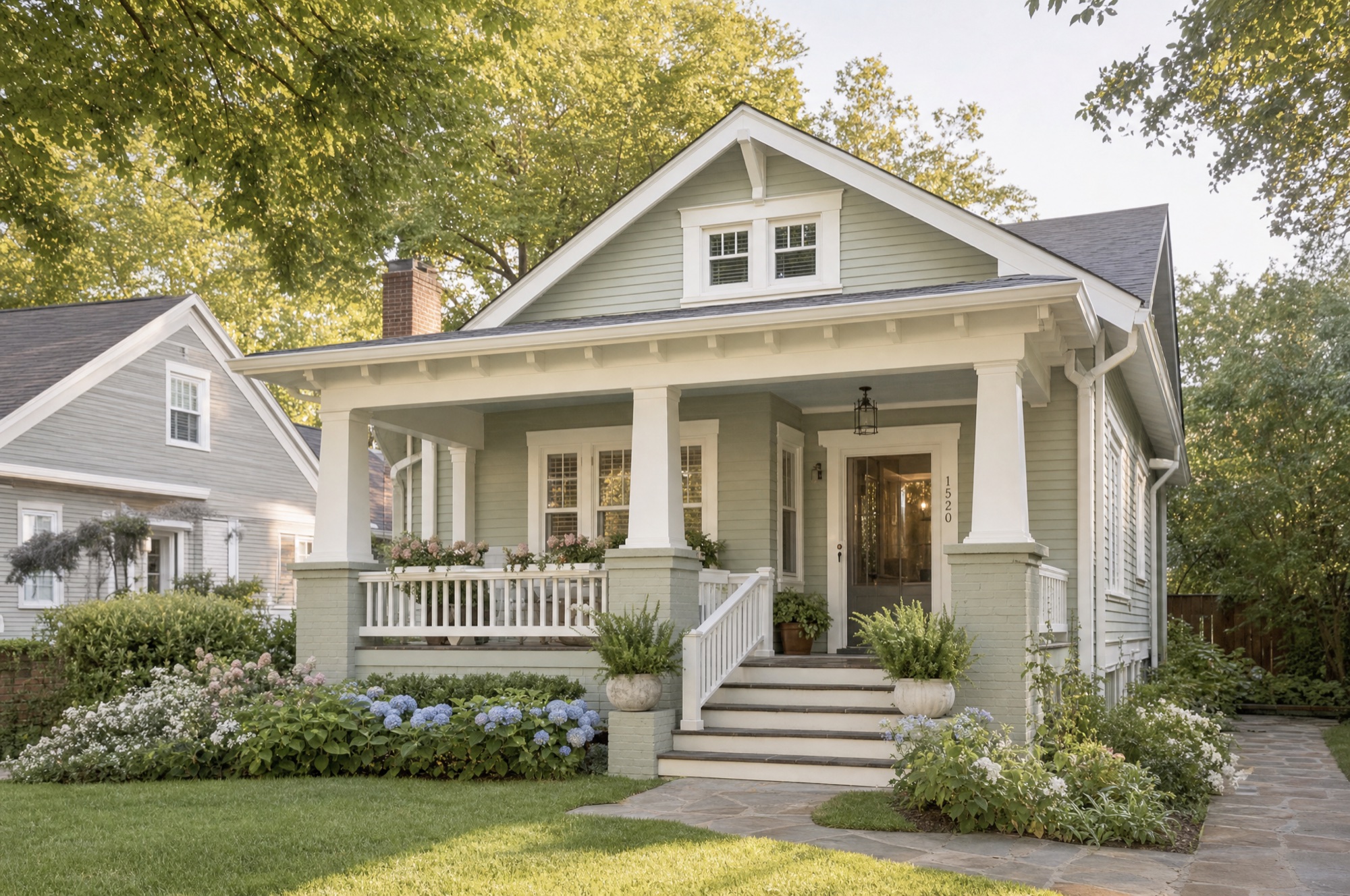
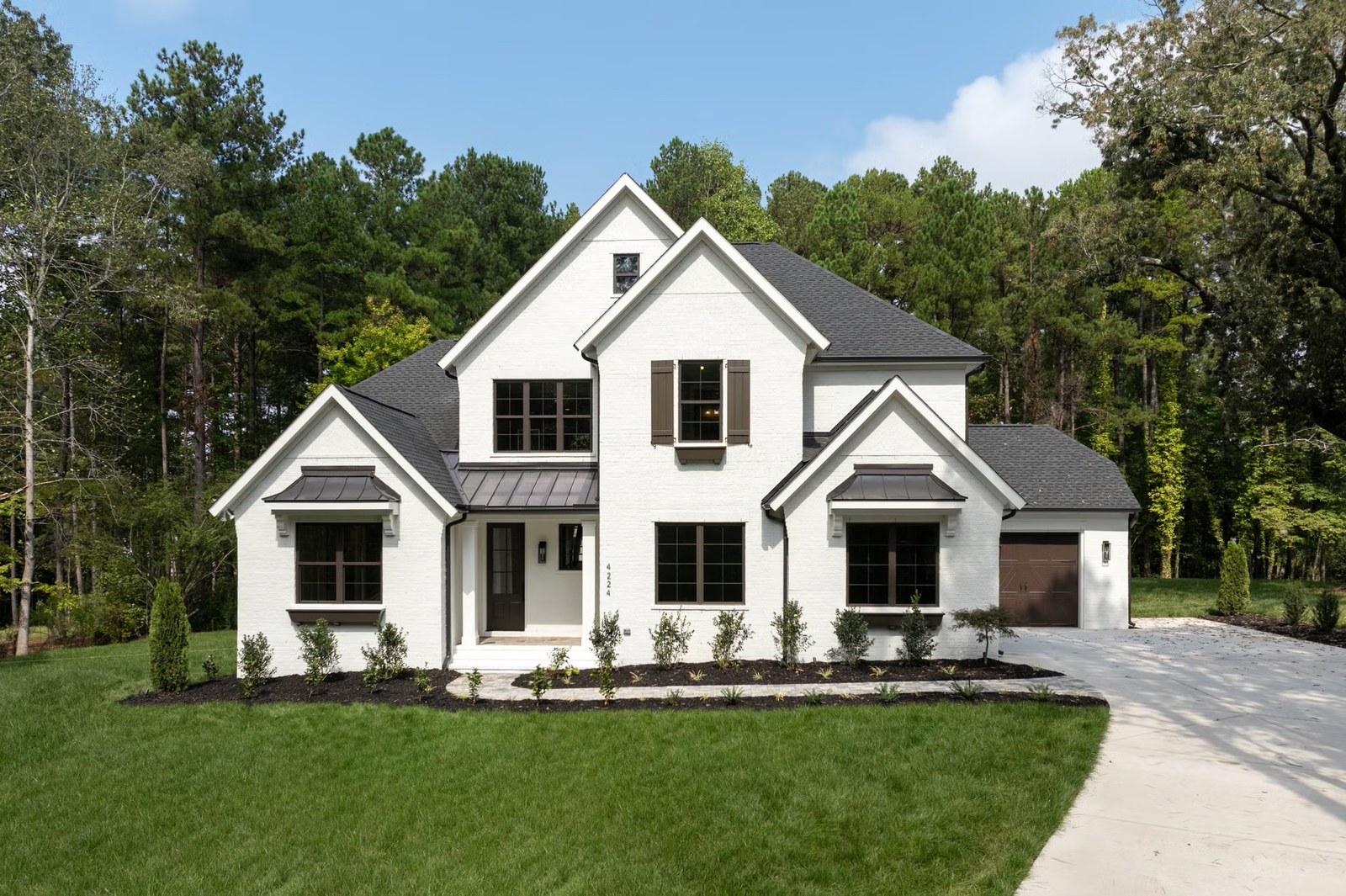
A crisp white Carolina farmhouse with a dark roof, pines behind
The short answer

In Charlotte, new construction gives you a blank slate — modern systems, warranties, and your finishes — but trades away location (the new inventory is mostly outer-ring), tests your patience on timeline, and hides real costs in lot premiums, upgrades, and landscaping. Resale gives you established neighborhoods, mature trees, negotiating room, and a home you can see before you buy — but comes with older systems and someone else's layout choices. The honest rule of thumb: choose new construction when you value control and modern systems and can wait; choose resale when you value location, character, and certainty. Neither is "smarter" — they solve different problems.

The question under the question

When someone asks me "should I build or buy?" they're usually really asking one of two different questions. Sometimes it's "how do I get exactly what I want?" — and that leans new. Sometimes it's "how do I get into the right neighborhood?" — and that leans resale, because the established, walkable, tree-canopied parts of Charlotte are almost entirely built out. Naming which question is actually yours settles most of the debate before we compare a single number.

Let's walk the trade-offs honestly, because both paths have a glossy version and a real version.

New construction — the blank slate

What you're really buying: control and modernity. Current layouts, energy-efficient systems, builder warranties, and the chance to pick finishes instead of inheriting them. For a lot of buyers — especially those coming from a money-pit older home — that peace of mind is the whole point.

The trade-offs nobody puts in the brochure:

  1. Location. Charlotte's new inventory is concentrated in the outer ring. If you want close-in or walkable, new construction mostly isn't the answer.
  2. Timeline. Build timelines move, and "move" almost always means later. If your move is tied to a school year or a lease ending, build in a generous buffer.
  3. The real price. The base price is the beginning. Lot premiums, design-center upgrades, and the un-landscaped yard are where the number climbs — sometimes substantially.
  4. The incentive trap. Builder incentives are real, but they're usually structured to benefit the builder's financing or sales timing. They can be genuinely good or a way to steer you — worth reading with a cold eye. (I wrote a full piece on this, linked below.)

Resale — the established neighborhood

What you're really buying: place and certainty. Mature trees, settled streets, walkability where it exists, and a home you can stand inside before you commit. In Charlotte, the most characterful, close-in neighborhoods are resale by definition — you cannot build a 1920s Dilworth bungalow.

The trade-offs:

  1. Older systems. Roofs, HVAC, plumbing, and electrical have a clock. A good inspection turns this from a surprise into a line-item you negotiate.
  2. Someone else's choices. You're buying a layout and a renovation history you didn't make. Sometimes charming, sometimes a future project.
  3. Competition. The best resale homes in the best neighborhoods move — being prepared and decisive matters more here than with new.
  4. The upside: there's usually room to negotiate, and what you see is what you get — no design-center math, no timeline roulette.
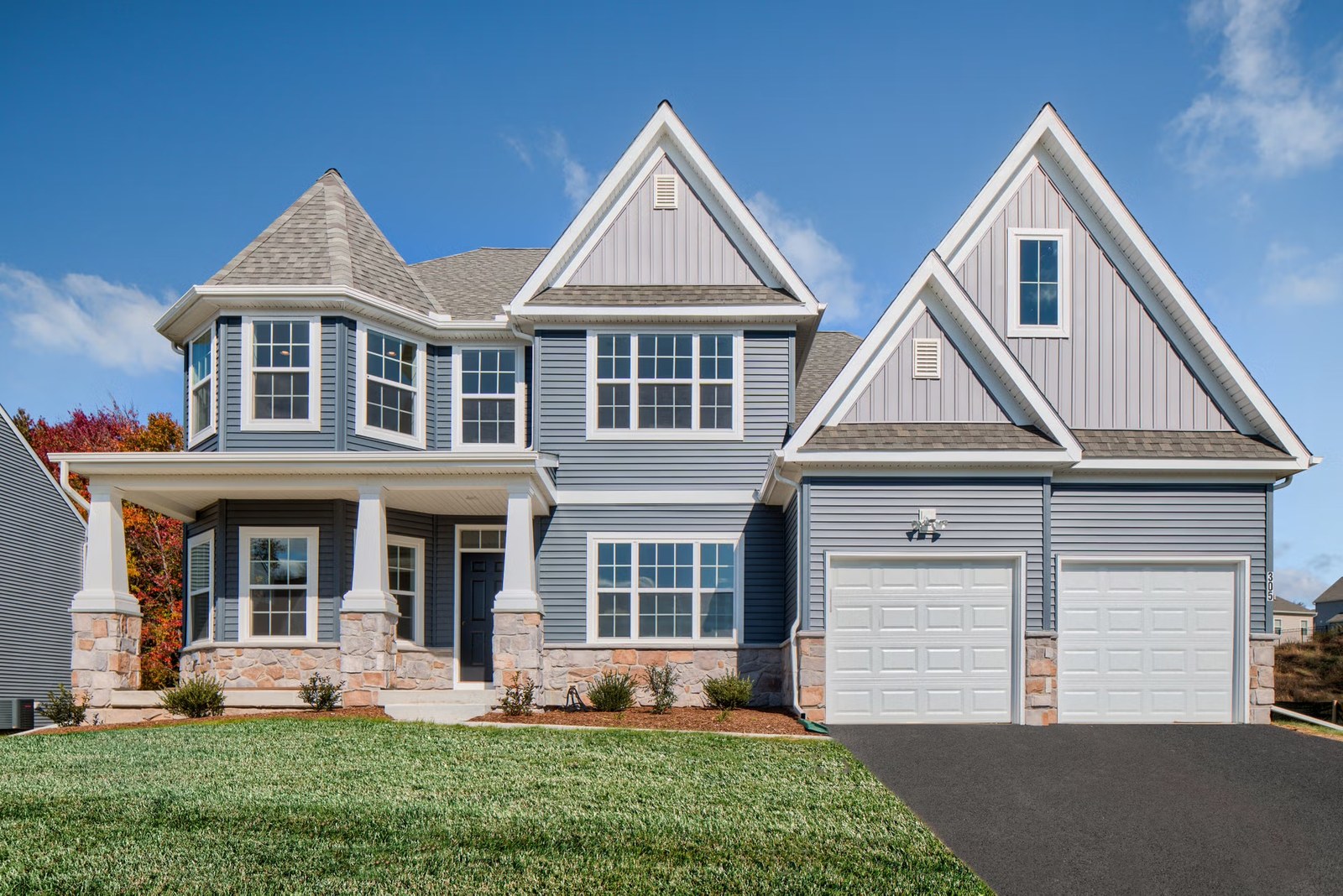
A pale blue Carolina home with a deep porch under mature oaks

How to actually decide — a short diagnostic

  1. Is your top priority a specific neighborhood (especially close-in)? → Lean resale.
  2. Is your top priority modern systems and your own finishes? → Lean new.
  3. Is your timeline fixed and tight? → Resale is the safer bet; new can slip.
  4. Do you have patience and flexibility, and dislike other people's renovations? → New rewards you.
  5. Are you nervous about maintenance surprises? → New (warranties) or a well-inspected, recently-updated resale.

Most people, once they answer these honestly, stop debating the abstract "build vs. buy" and start comparing two specific, real options — which is a much easier decision.

The cost comparison people get wrong

On paper, new construction and resale at the same price look like equals. They rarely are once you load in the true numbers: for new, add the upgrades and landscaping that turn a base build into a finished home; for resale, add the near-term repairs an inspection reveals. The honest comparison isn't sticker-to-sticker — it's finished-and-livable to finished-and-livable. I run that side-by-side with clients so the cheaper-looking option is actually the cheaper option.

How I use this with clients

When a buyer is torn, I don't argue for one side — I help them find the one real new-construction option and the one real resale option that both fit their life, then we compare those two specific homes, fully loaded. The abstract debate is exhausting and unwinnable; the concrete comparison is usually obvious within an afternoon. The goal is the same either way: the home that fits your life, bought with the trade-offs named out loud.

Described generally and current as of publication; figures and programs change. Eridania M. Bonilla is a licensed North Carolina broker (NC 359549) with Better Homes and Gardens Real Estate Paracle; each office is independently owned and operated. Equal Housing Opportunity. Not lending, tax or legal advice.

Sixty seconds, no pressure

Which territory are you in?

The Move Quiz maps where you actually are — timeline, budget band, and what you are solving for — in about a minute.

Take the Move Quiz →

Frequently asked

Is it cheaper to build or buy a house in Charlotte?

It depends once you load in true costs. New construction's base price climbs with lot premiums, upgrades, and landscaping; resale's price should include near-term repairs an inspection reveals. Compare finished-and-livable to finished-and-livable, not sticker to sticker.

Should I build new or buy resale in Charlotte?

Choose new for modern systems, warranties, and your own finishes if your timeline is flexible. Choose resale for established neighborhoods, mature trees, and certainty — especially if you want a close-in or walkable area, which is mostly built out.

Are builder incentives in Charlotte worth it?

Sometimes. Incentives are real but often structured around the builder's financing or sales timing. Read them with a cold eye and compare the total cost, not just the headline perk.

How long does it take to build a home in Charlotte?

Longer than the brochure says, as a rule. Build a generous buffer if your move is tied to a lease, a school year, or the sale of your current home.

A Charlotte room with a hand-sculpted plaster relief feature wall
Eridania M. Bonilla, REALTOR®
Your guide
Eridania M. Bonilla
REALTOR® · Better Homes and Gardens Real Estate Paracle

I help Charlotte families buy, move up, and relocate without losing their footing — treating the whole thing as one calm decision instead of a pressured scramble. Twenty-five years in brand and marketing, the last eight in commercial real estate in New York, taught me that how a place feels is the whole point.

Atención completa en español — escríbeme con confianza.

The quiet letter

One thoughtful note a month

Neighborhood reads, market truth, and the occasional exhale. No noise — unsubscribe anytime.