What should you expect moving to Charlotte from NYC? Two columns: what translates almost unchanged, and what genuinely changes — and the second column is shorter than New Yorkers fear and different from what they brace for. Charlotte gives big-city transplants more than they expect and less than they assume — in different columns. What translates: genuinely walkable pockets (Uptown, South End, the streetcar suburbs), a food and arts scene with real depth, and a professional culture dense with fellow transplants. What genuinely changes: the car becomes the default, space-per-dollar rewrites what "home" can mean, and the pace runs quieter — the city doesn't hum at midnight. The adjustment follows a predictable curve: an easy honeymoon, a flat stretch around months two to four when the quiet registers, then — for people who chose their neighborhood by lifestyle rather than habit — a settling into something most describe as simply more room to live. The single best predictor of loving the move is matching your Charlotte neighborhood to the daily rhythm you actually want, not the one you're leaving.
What should you expect moving to Charlotte from NYC?
Every week I talk with someone leaving New York, Los Angeles, or Chicago, and they're all asking the same question underneath the logistics: how much of my life comes with me?
The honest answer has two columns, and most content about this move only shows you one. The relocation-marketing version shows the gains — the square footage, the lower bill, the easier day — and skips the losses. The internet-cynic version shows the losses — "it's no [your city]" — and skips the gains. Both are true. Neither is the whole picture. So here's the two-column truth, from someone who helps people land here and hears what they say a year later.
What translates from a big city to Charlotte?
The walkable life — in pockets, chosen deliberately. Charlotte is not a walking city, but it contains walking neighborhoods, and the distinction is everything. Uptown and South End offer the closest analog to a dense urban life: towers, a light-rail spine, the Rail Trail, dinner on foot. The streetcar suburbs — Plaza Midwood, NoDa, Dilworth, Elizabeth — offer the softer version: sidewalks under old oaks that actually lead to coffee, restaurants, a park. If walkability is core to your identity, you can keep it here. You just have to choose it on purpose, because unlike where you're coming from, it is not the default. The the Charlotte neighborhood guide is the deep dive on exactly these pockets.
Food and culture with real depth — at a different density. The food scene has grown into something genuinely good: chef-driven kitchens, international corridors along the city's east side, breweries as a civic institution, a museum and theater life that punches at its weight. What changes is density, not quality. You'll have five excellent options instead of fifty; you'll plan slightly more and stumble-upon slightly less. Transplants who measure culture by ceiling land happily. Those who measure it by infinite variety feel the difference — honestly, for the first year.
Ambition, and company in it. Charlotte is a banking and professional city that has been absorbing newcomers for years; as of mid-2026 the transplant density is high enough that "where did you move from?" is a standard first question. You will not be the only one from your city. The professional energy is real — it just wears a calmer face.
What genuinely changes when you leave New York?
The car becomes the default. This is the big one, and I won't soften it. Outside the walkable pockets, daily life runs through a windshield: groceries, school runs, most commutes. New Yorkers feel this hardest — it's not just logistics, it's the loss of the walk as the connective tissue of a day, the people-watching, the incidental city. Angelenos already live in cars and mostly experience Charlotte driving as a relief. Chicagoans land in between. Budget for it too: a household that lived on transit will likely need a car, maybe two.
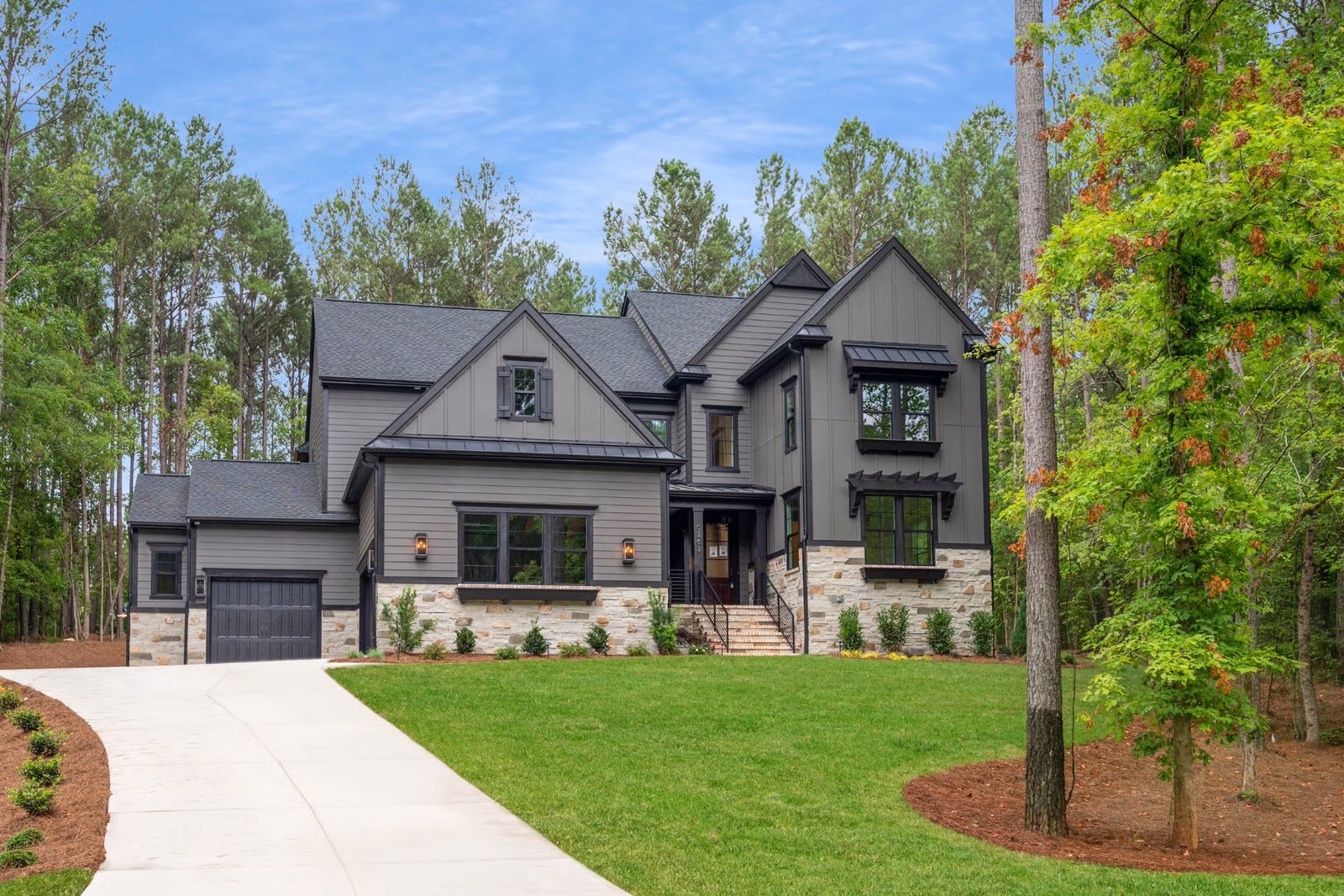
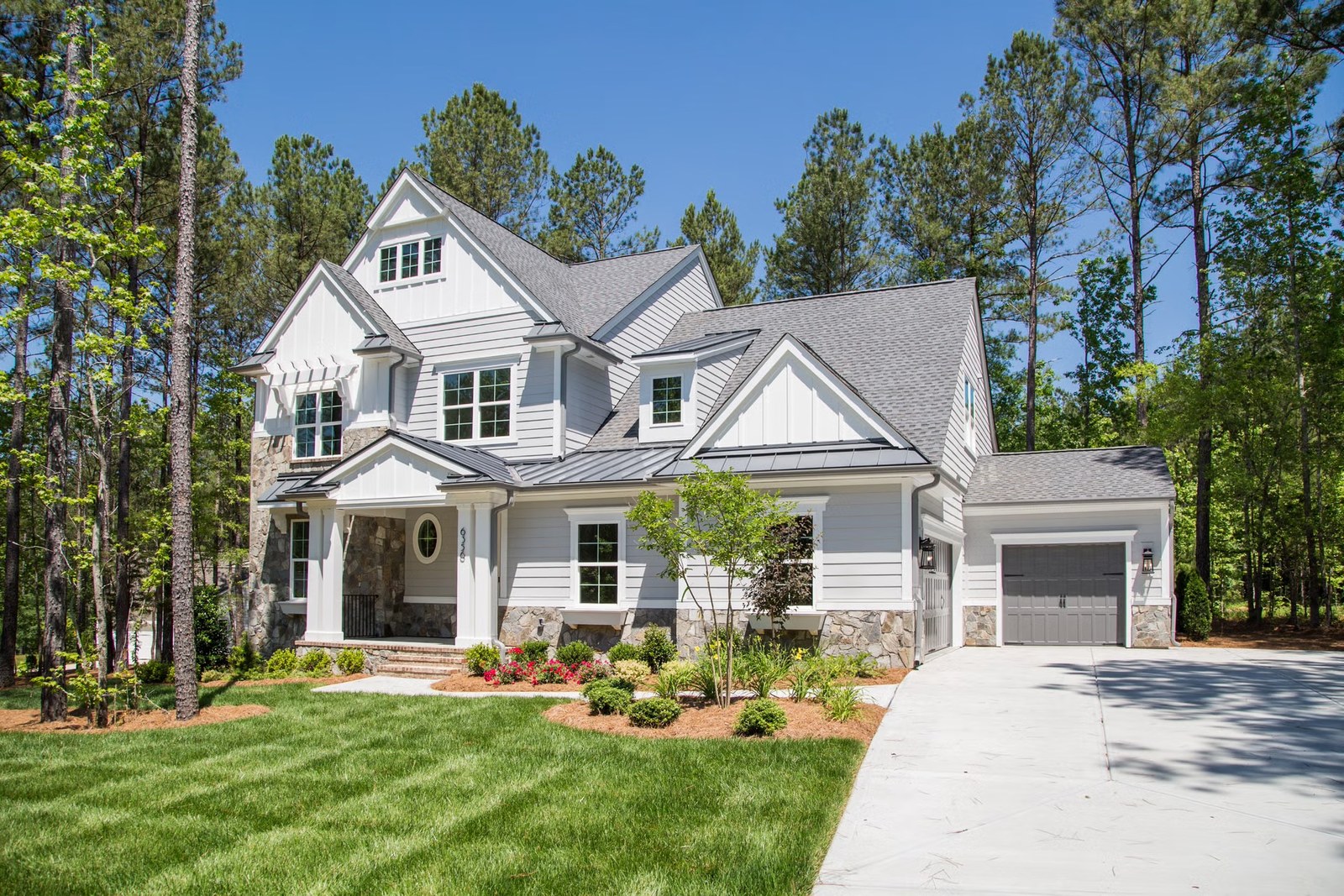
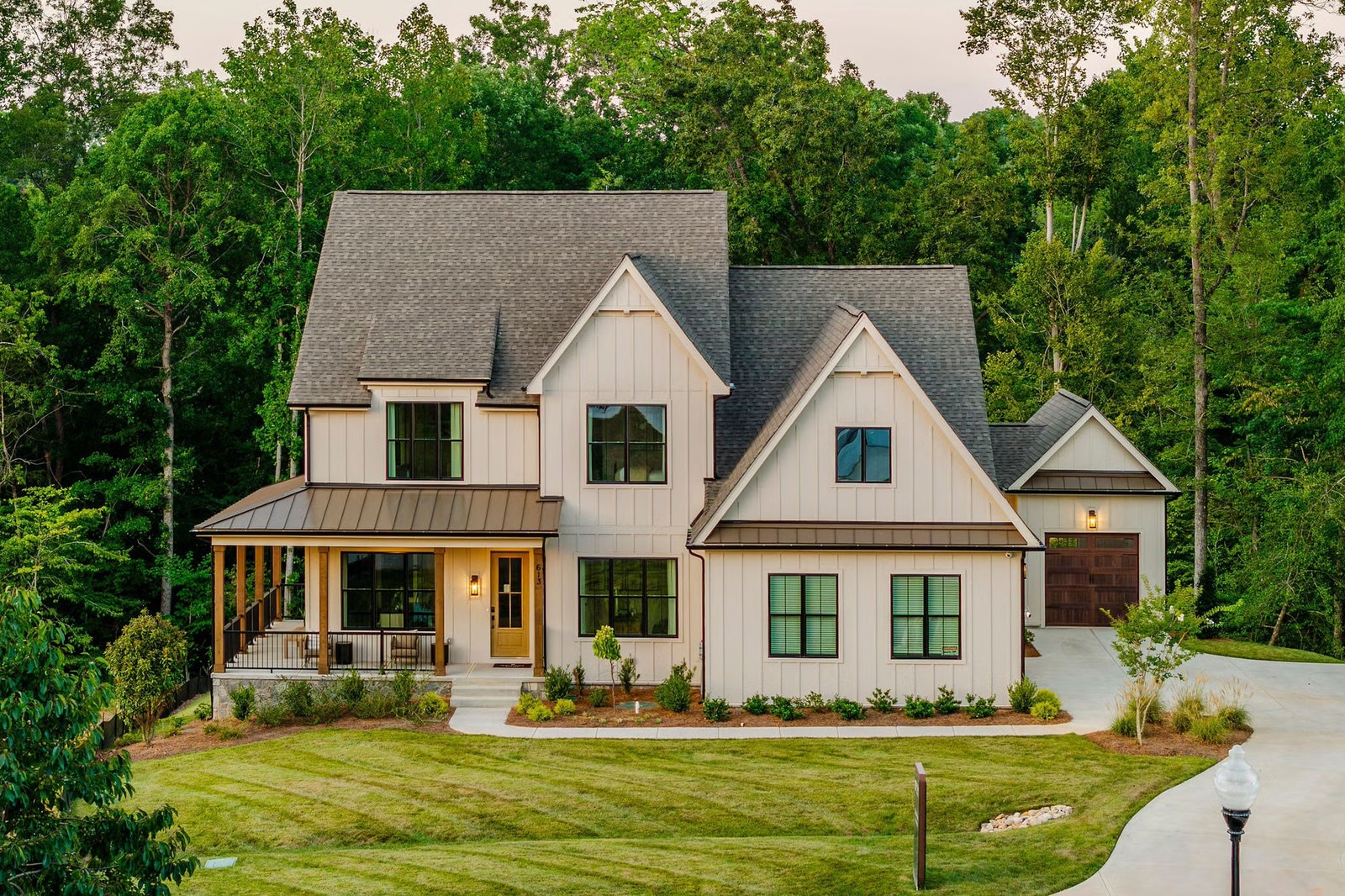
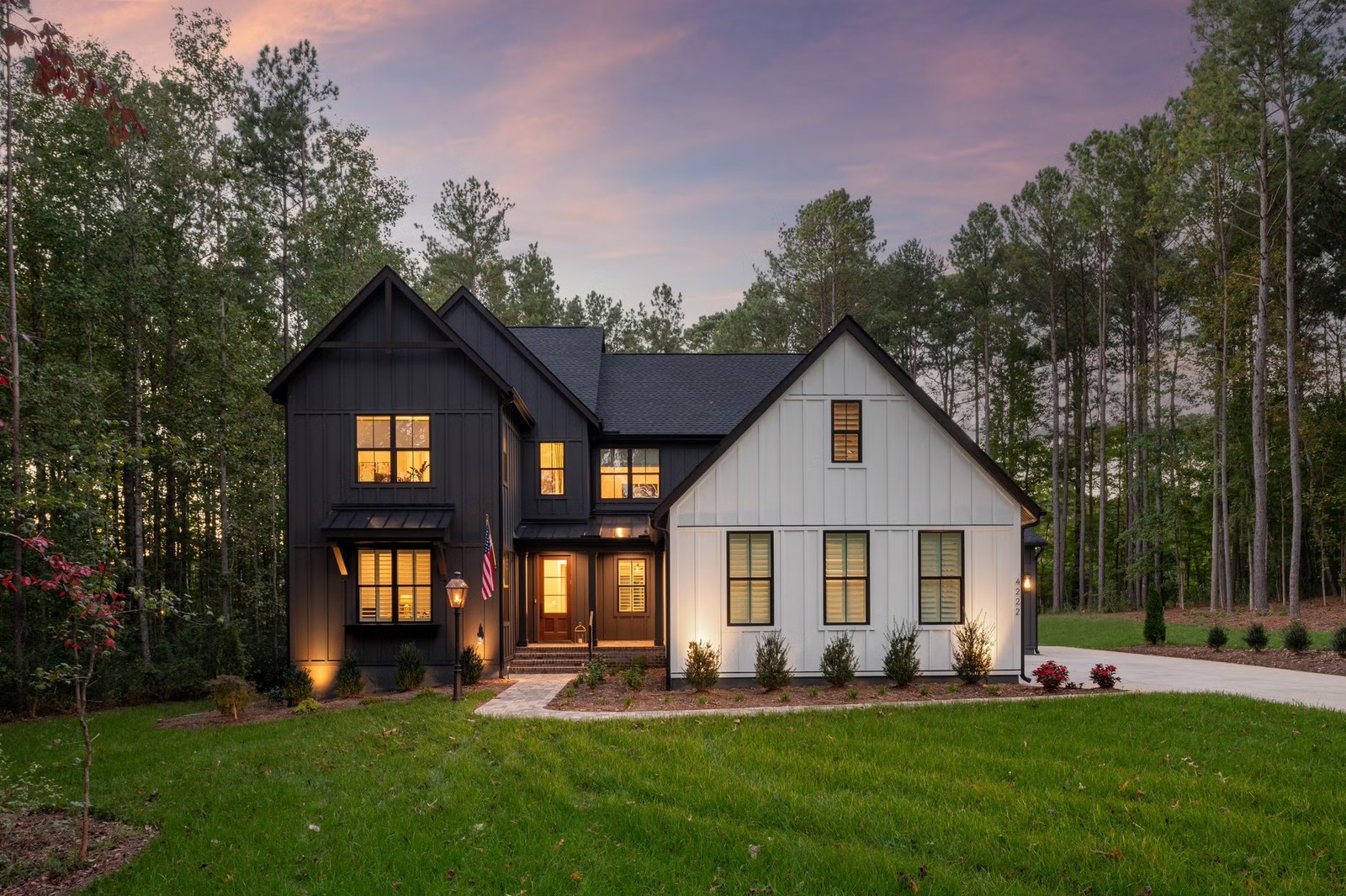
Space-per-dollar rewrites the question. The most disorienting change is a happy one. The money that held a compact apartment in your city holds a house here — often with a yard, an office, a guest room, trees. I've watched people stand in a Dilworth bungalow or a Ballantyne family home and go quiet, recalibrating what "home" is allowed to mean. It changes how you host, how you work, how much of your life happens at home versus out in the city — which is itself part of the pace change, worth naming. The what $700K actually buys here piece makes this concrete.
The pace runs quieter. Charlotte is ambitious by day and calm by night. Restaurants seat their last tables earlier than you're used to; the streets don't hum at midnight; spontaneity has a smaller radius. Whether this lands as loss or relief is the single most personal variable in the whole move — and it's worth being honest with yourself about before you choose a neighborhood, because the walkable pockets are precisely where the quiet is thinnest.
How long is the adjustment, honestly?
Nearly every transplant I've worked with traces the same arc, so I'd rather you see it in advance:
- Months 0–2: the honeymoon. The space, the ease, the light. Everything is cheaper and softer than what you left. You send real-estate listings to friends back home with some smugness.
- Months 2–4: the flat stretch. The novelty fades before the belonging arrives. The quiet you found charming registers as quiet. You miss your people, your corner spot, the city's ambient company. This is the stretch where people quietly wonder if they made a mistake.
- Months 4–12: the build. Rituals form — the Saturday market, the greenway loop, the standing dinner. Names attach to faces. Somewhere in here, coming back from a trip, the landing feels like returning rather than arriving.
Two things reliably shorten the flat stretch: choosing a neighborhood whose rhythm actually fits you (not the one that photographed best), and building structure early — the league, the studio, the standing anything. The people who struggle longest are almost always the ones who moved to a great house in a rhythm that doesn't match how they live.