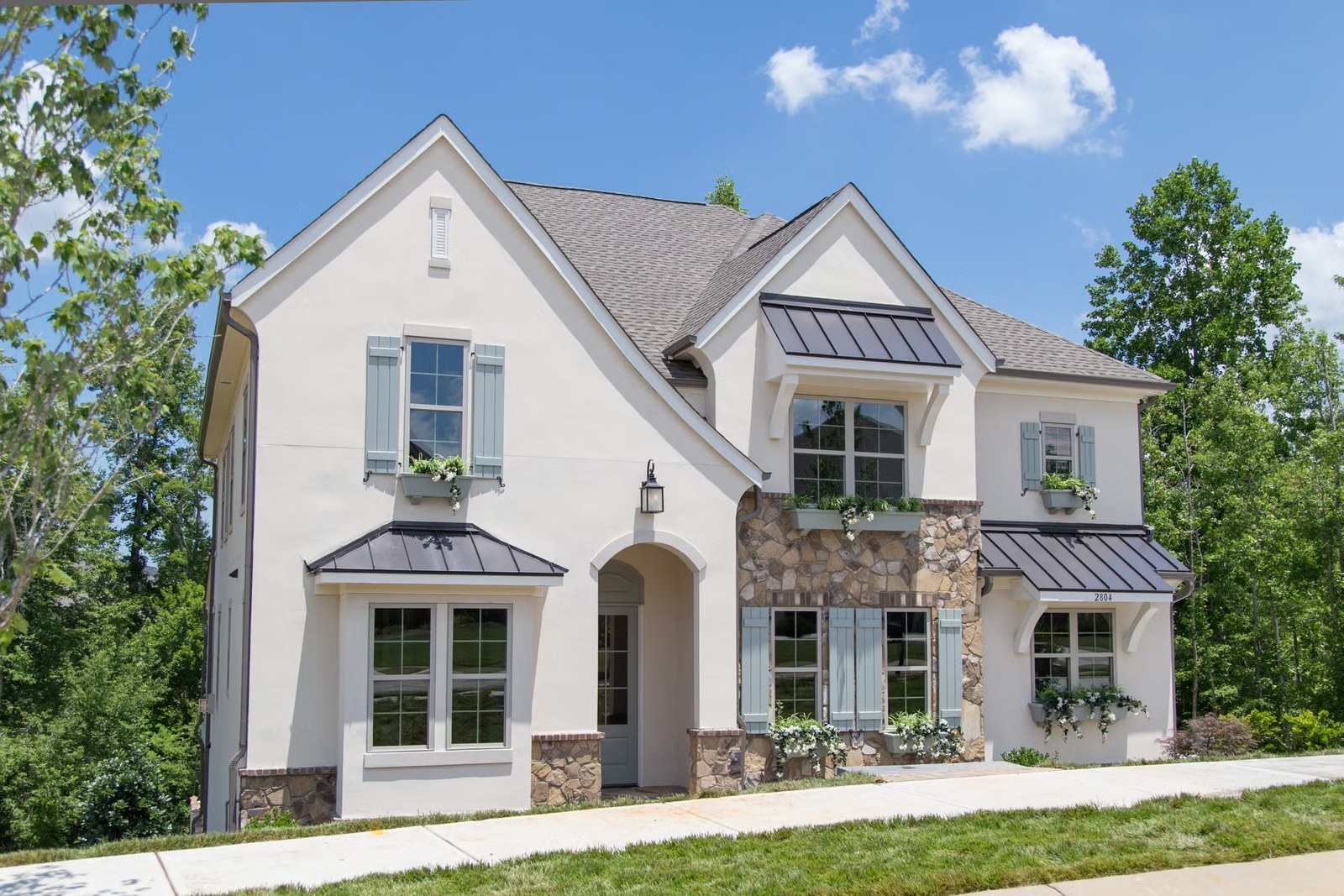
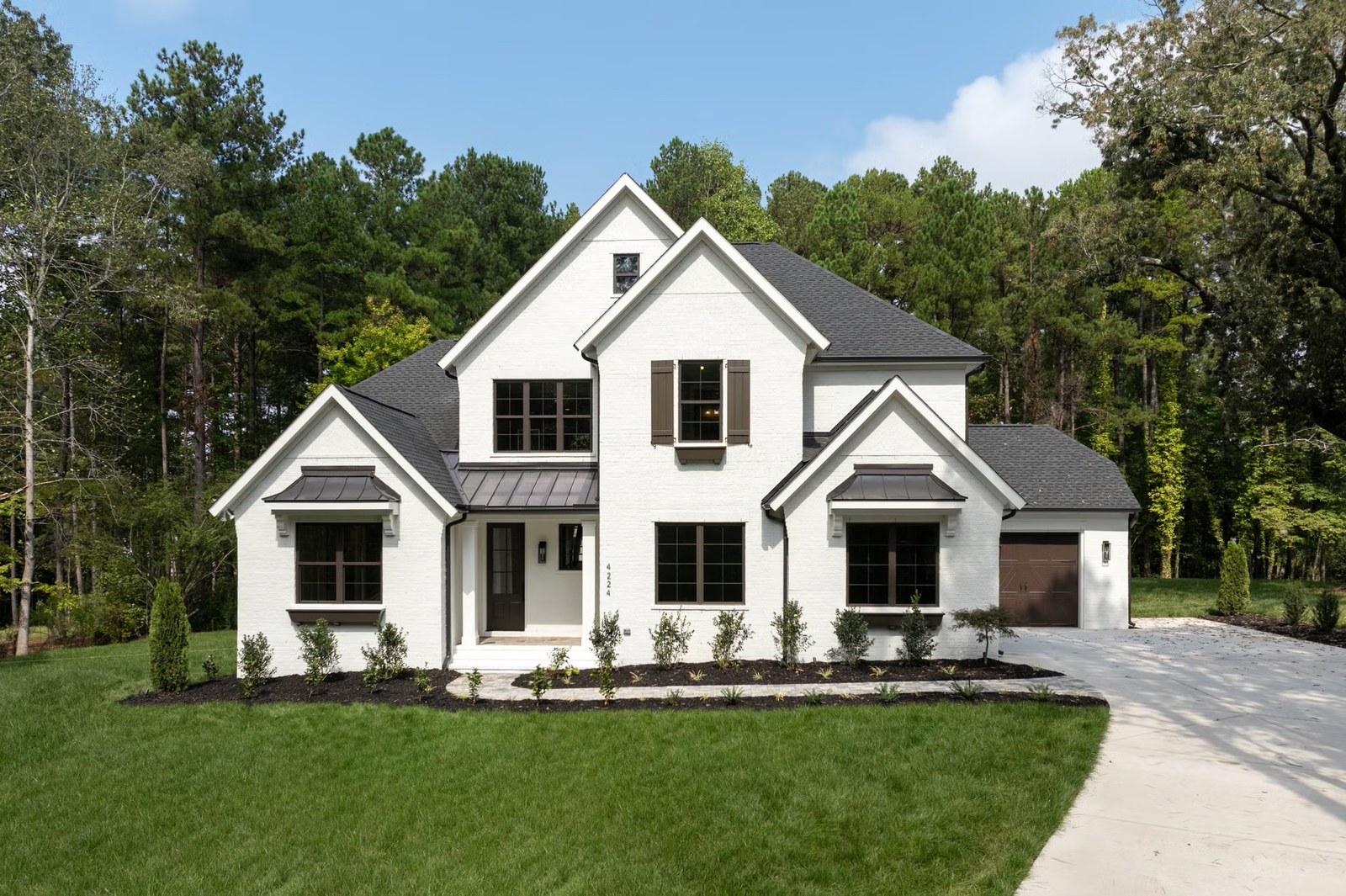
"First home vs forever home" is mostly a false choice. For the majority of Charlotte buyers, the smarter move is a well-chosen first home held for roughly five to seven years — a stepping-stone that builds equity, teaches you what you actually want, and funds the next move — rather than renting while waiting for the perfect forever home to become affordable. The catch: a stepping-stone only works if you buy it with resale in mind. Optimize location fundamentals and a home the next buyer will also want; let go of finishes, square footage at the margin, and the fantasy of forever.
First home vs forever home — which should you buy?
When someone asks me "should I buy a first home or hold out for the forever home?", what they're usually asking is: am I allowed to buy a home I know I'll leave?
Yes. Emphatically. And in most cases it's not just allowed — it's the stronger strategy. Let me walk you through why, calmly, and then get specific about what a stepping-stone first home needs to have (and what it absolutely doesn't).
Is it really a choice between perfect and nothing?
The "forever home" is a lovely idea and a terrible planning tool. It asks you to predict a decade of life — career, family, taste, city — from where you're standing today. Most people can't, and the ones who think they can are usually predicting their current life continuing unchanged, which is the one version of the future you can nearly rule out.
So buyers who frame the decision as "forever home or keep waiting" end up waiting. And waiting has a cost that renting a nicer apartment doesn't show you on any statement.
What does waiting for the forever home actually cost?
There's no invented math needed here — the mechanism is enough:
- Rent builds someone else's equity. Every year you wait, your housing spend is gone. A mortgage payment on a sound first home converts a portion of that same monthly outflow into ownership. Not all of it — interest, taxes, and maintenance are real — but a meaningful part.
- The goalposts move. Charlotte keeps growing, and the "forever" home you're saving toward is not sitting still while you save. Waiting for perfect often means chasing perfect.
- You lose the learning. Owning a first home teaches you — viscerally — what you care about: which direction you want your light to come from, how you feel about yard work, whether "10 minutes farther out" bothers you in month eight. That education makes your next purchase dramatically better. Renters don't get it; they get to like or dislike a landlord's choices.
- You lose the equity engine. The whole point of the stepping-stone: in five to seven years, a sensibly bought first home has typically built a position — through paydown and time in the market — that becomes the down payment on the home that fits your grown-up life. That's how most people actually reach the house they think of as "forever." Very few leap there from a savings account.
None of this means "buy anything, immediately." It means the burden of proof sits on waiting, not on buying — if what you buy is chosen well. Which brings us to the real skill.
How long will you actually live in your first home?
Once you accept your first home is a chapter, not the whole book, the shopping list changes. You're no longer asking "could I live here forever?" You're asking two sharper questions:
- Can I live here well for five to seven years?
- Will someone else clearly want this home when I'm done with it?
That second question — the resale story — is the discipline most first-time buyers skip, because they're shopping with their heart for a forever that isn't coming. Buy your first home partly for the next buyer, and you protect the equity that funds your actual future.
What should you optimize for in a first home?
Here is the uncomfortable part of the plan above: a stepping stone only works if somebody else will want to stand on it after you. Which means some of your budget belongs to a buyer you will never meet. First-time buyers who quietly refuse that trade are the ones who discover, five years on, that the home they loved is the one nobody else did — and by then it is not a preference anymore, it is a price.
Spend your budget and your standards here:
- Location fundamentals. The street, the block, the position on the block. Not the trendiest zip code — the sound one: reasonable commutes to Charlotte's job centers, everyday conveniences you'll actually use, and a setting that doesn't come with a permanent asterisk (backing to a highway, an odd flag lot, the one house wedged next to commercial). These are the things no renovation ever fixes.
- A clean resale story. Ask: when I sell, what's the one-sentence pitch? "Updated-enough three-bedroom on a quiet street, easy to everywhere" is a story. "Unique two-bedroom with a converted garage and no tub" makes the next buyer think — and thinking buyers negotiate. Broad appeal isn't boring; it's your exit.
- Layout bones. Sensible flow, real bedrooms, at least one full bath that works. You can repaint anything; you can't easily move a staircase.
- Light and lot. Natural light and a usable outdoor space are quietly two of the biggest drivers of how a home feels — and both show up again at resale.
- Your honest monthly comfort. A stepping-stone only steps if you can hold it. Buy at a payment that leaves margin, not at the top of your approval. (I've written a full piece on the affordability question — it's linked below.)