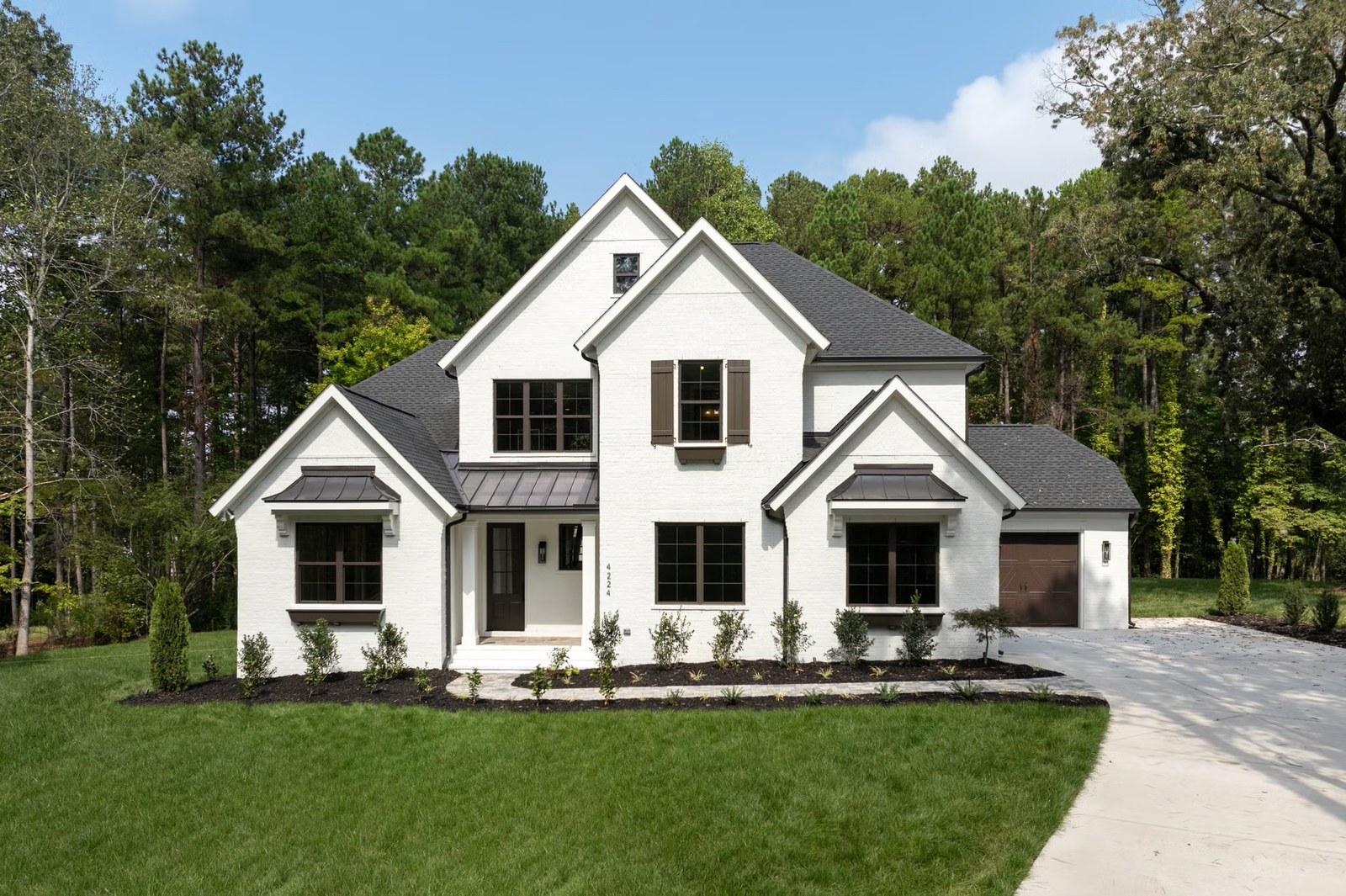
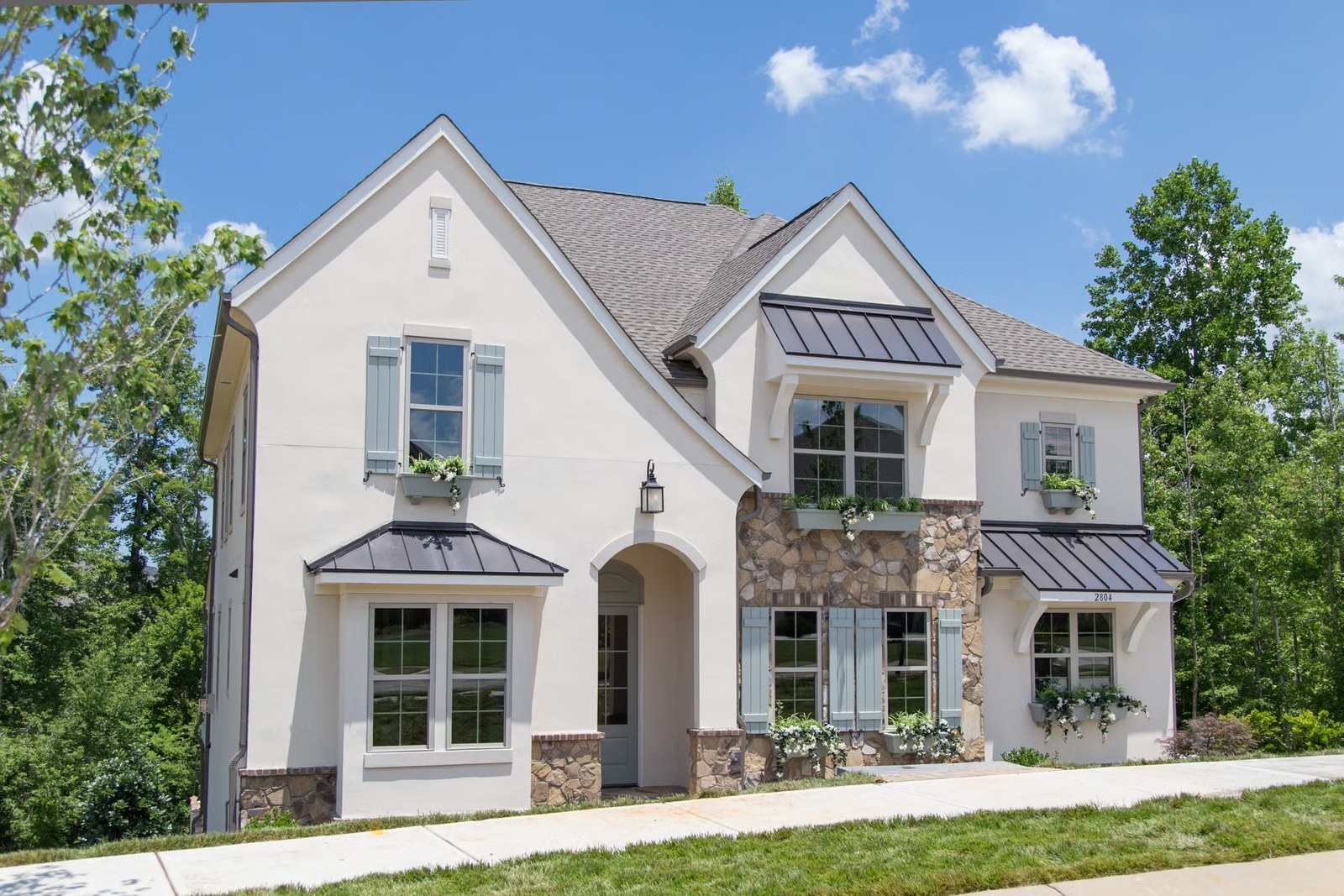
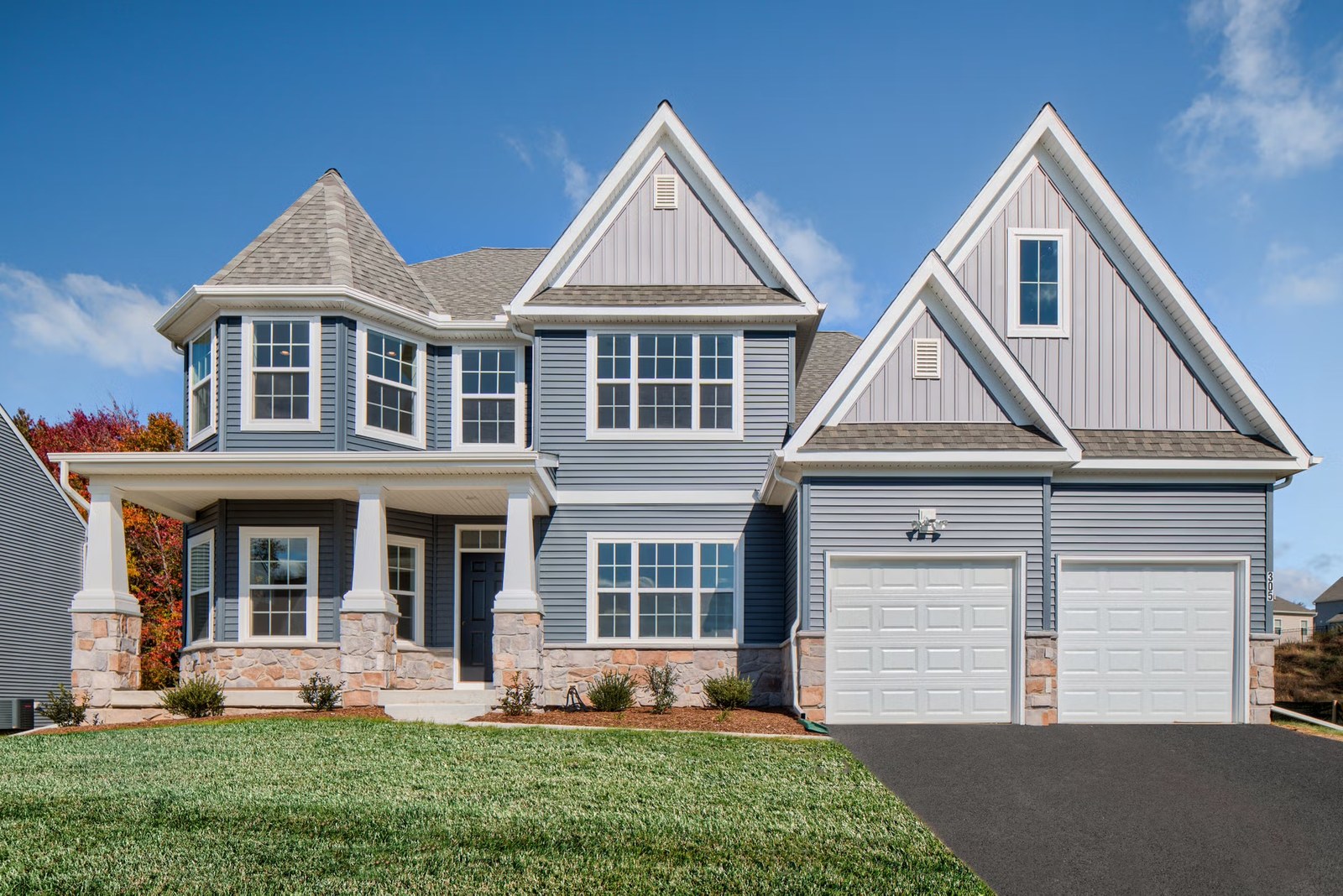
Does your first home need to be your forever home?
You'll hear "buy your forever home" and "just get a starter" as if they're opposites. They're not strategies — they're stories. The real move is in between: buy a sound home that fits your life now and could plausibly serve a few likely futures, knowing you can sell or grow when the time comes. Build a little resale-friendliness in (good location, sensible layout, broad appeal), and you've protected yourself whether you stay two years or twelve.
What does good representation look like for a first-time buyer?
First-time buyers don't need a salesperson; they need a translator and a calm hand. We start with your five-year life and your honest monthly comfort, then look at homes — so the search is short, the pressure is low, and the decision is one you understand. I'll tell you when a home is a stretch you'll regret and when a "boring" one is quietly the smart buy. The whole point is that you walk in on closing day feeling steady, not overextended.
If that is the kind of help you want, here is how to choose a first-time buyer agent in Charlotte who works this way.
What does buying a first home in Charlotte look like, step by step?
The dread has a shape, and it is always the same one. It is nine at night, someone has told you a decision has to be made by morning, money you cannot get back has already left your account — and you are realizing you do not actually know what happens next. Not in the abstract. You do not know what the next document is called or who is supposed to send it.
That is not a character flaw and it is not evidence that you are bad at this. It is what happens when nobody hands you the sequence. A first purchase in North Carolina runs through seven stages, only one of which is house-hunting, and nearly every first-time buyer panic I have watched came from arriving at a stage nobody mentioned was coming. So here is the order, in advance, while nothing is urgent.
- Have the financing conversation first. Not a rate quote off a website — a real conversation with a licensed lender about what your income, your documents and your credit file actually support. This is also where you learn which assistance programs a given lender is approved to offer, which matters more than most buyers realize.
- Set the comfortable number before the ceiling number. The lender gives you a maximum. You give yourself a monthly figure you would not resent in year three. The honest affordability math is how you get from one to the other.
- Choose representation before you tour. Touring first and sorting out who represents you afterward is how first-time buyers end up unrepresented at the exact moment representation is worth the most — standing in a builder's model home or a listing agent's open house.
- Search against a ranked list, not a wish list. A wish list has ten items and no order. A ranked list has three non-negotiables and the honest admission that everything below them is tradeable. The ranked list is what makes a decision possible in a single showing.
- Write the offer, and understand that two separate sums go out. North Carolina's standard Offer to Purchase and Contract asks for a due diligence fee, paid directly to the seller, and an earnest money deposit, held in trust. The fee buys your right to walk away for any reason during the Due Diligence Period and generally does not come back. The earnest money generally does, if you terminate inside that window. Getting that math wrong is the most expensive first-timer mistake in this state.
- Spend the Due Diligence Period deliberately. The inspection, the appraisal, the lender's underwriting, insurance quotes, HOA documents and anything else you need to know all live inside this window. When it closes, your protection closes with it. This period is the single most valuable thing you negotiate, and first-time buyers routinely trade it away to look competitive.
- Close with an attorney. In North Carolina a licensed attorney handles the title search and the closing itself. You choose yours; it is not assigned to you, and the choice is worth making on purpose.
In a normal market, plan on roughly two months from serious start to keys — a few weeks to get financing and priorities straight, then the search, then about a month from accepted offer to closing. The search is the stage that varies most, and it is the only one you can shorten by being clear before you start.
Read that sequence once now and it costs you four minutes. Skip it and you will read it anyway — in fragments, out of order, from whoever happens to be standing next to you when each stage arrives, usually while a clock is running. That is the same information at a considerably worse price.
What down payment help exists for first-time buyers in Charlotte?
The worst version of this is the one nobody finds out about. A first-time buyer does everything right — saves for two years, shops three lenders, takes the best rate of the three — closes, moves in, and eight months later, at somebody's kitchen table, finds out there was help they qualified for and nobody mentioned it. Not a rebate they missed by a technicality — a state program built for exactly their situation, which they were never told existed, because the lender with the best rate was not approved to offer it and had no particular reason to bring it up. The money is the smaller half of that. The larger half is discovering you were the only one in the room who did not know.
That money is not obscure. It is just quiet, and it moves through lenders rather than through agents, which is exactly how it slips past the people it was built for. So here is the map. Read it as what exists, not as a verdict on what you get: every program below carries income limits, price caps and credit requirements, they change, and only a licensed lender can tell you what you may qualify for.
- NC 1st Home Advantage Down Payment — $15,000 from the North Carolina Housing Finance Agency, structured as a 0%, deferred second mortgage that is forgiven 20% a year at the end of years 11 through 15 and forgiven entirely at year 15. It pairs with an NC Home Advantage Mortgage. You count as a first-time buyer if you have not owned a principal residence in the past three years; military veterans and buyers in targeted census tracts qualify without that test. Credit score of 640 or higher (660 for manufactured homes), and you must occupy the home within 60 days of closing. The NC Home Advantage umbrella caps the sales price at $495,000.
- NC Home Advantage Down Payment — up to 3% of the loan amount, the same deferred-second structure, and open to move-up buyers as well as first-timers. Smaller, but with a wider door.
- House Charlotte, administered by DreamKey Partners — assistance for buyers purchasing inside Charlotte city limits at a price under $365,000, in tiers by income band. It requires 8 hours of homebuyer education and counseling through a HUD-approved agency, completed before closing, which is a real calendar commitment rather than a form.
The part that rarely gets explained: these are not pots of money so much as a lending structure. Fannie Mae's Community Seconds and Freddie Mac's Affordable Seconds rules let an approved second mortgage sit behind a conventional first at a higher combined loan-to-value than normal, which is precisely what allows a state or city second to cover a down payment instead of merely helping with one. That is the machinery under almost every program on this list.
Which brings the whole thing down to one procedural question, asked early: is this lender approved for the program I want? A slightly better rate from a lender outside the program is not better if it costs you fifteen thousand dollars. Ask it in the first phone call, before anyone's quote has started making the decision for you. How to choose a first-time buyer agent in Charlotte who works with these programs covers the representation side of the same problem.
You do not have to chase every program on this list, and plenty of buyers reasonably qualify for none of them. But the question above has a deadline you cannot see, because it expires the moment you are under contract with the wrong lender. After that the money is not late. It is simply gone, and you will probably never learn it was there.
What should you do in the year before you buy?
There is a particular kind of unfair in doing everything right and still being told no. You saved. You have paid every bill on time for six years. And the number a lender reads back does not appear to know any of that — not because you did something wrong, but because a thin credit file looks identical whether you were reckless or simply never borrowed much. The system is reading the wrong thing about you, and that is a fixable problem rather than a verdict.
The year before you buy is where that gets fixed, and almost none of it involves looking at listings. By the time you are touring, most of your leverage has already been set. Three things decide it.
Protect the credit file you have, and ask about the one you might not know you have. The ordinary advice holds: pay on time, do not open new accounts, do not close old ones, and do not finance a car three weeks before applying for a mortgage. But something genuinely changed this year. As of September 9, 2026, Fannie Mae and Freddie Mac allow all their approved lenders to use VantageScore 4.0 without prior written approval — a model that can read rent, utility and telecom payment history where that history appears on your credit report. If your file is thin precisely because you have paid rent reliably for years and carried little else, that is a real shift in your favor, and it is worth asking a lender about directly rather than assuming the rules you read about two years ago still apply.
Build the cash in layers, not as one number. First-time buyers save toward "the down payment" as though it were the whole ask. In North Carolina it is not. The due diligence fee and the earnest money deposit are due when the contract is signed — weeks before closing, and separate from everything else. Then closing costs. Then the down payment. Then, and this is the layer people skip, the reserve you keep after closing. A home with nothing behind it is not a sanctuary; it is exposure with a mortgage attached, and you feel it the first month something breaks. If your plan gets you to the closing table with zero left, the plan is short by one layer.
Take the homebuyer counseling early, not when a program demands it. HUD-approved homebuyer education is a requirement for several of the assistance programs above — eight hours for House Charlotte — and it takes a real slot in a real calendar. Buyers discover this at the worst possible moment: under contract, closing date set, clock running, calling around for a seat in a class. HUD maintains a searchable directory of approved counseling agencies serving Mecklenburg and the surrounding counties. Find yours while nothing is urgent.
None of this is pressing today, which is exactly why it works. Every one of these three is cheap and unhurried now and expensive and frantic the week you are under contract. The buyers who look calm at a closing table are not calmer people by temperament. They are people who did these three things a year earlier.
Sources
- Consumer Financial Protection Bureau — Your Home Loan Toolkit
- North Carolina Housing Finance Agency (nchfa.com) — NC Home Advantage Mortgage and NC 1st Home Advantage Down Payment program terms
- DreamKey Partners — House Charlotte down payment assistance program requirements
- Federal Housing Finance Agency and Fannie Mae — Credit Score Models and Reports Initiative; VantageScore 4.0 available to all approved lenders as of September 9, 2026
- Fannie Mae Community Seconds® / Freddie Mac Affordable Seconds® — eligibility of approved subordinate financing
- U.S. Department of Housing and Urban Development — HUD-approved housing counseling agency directory
- North Carolina Association of REALTORS® / NC Bar Association — Offer to Purchase and Contract (Form 2-T)
- Canopy Realtor® Association / Canopy MLS — monthly Charlotte market reports
Described generally and current as of publication; figures and programs change. Eridania M. Bonilla is a licensed North Carolina broker (NC 359549) with Better Homes and Gardens Real Estate Paracle; each office is independently owned and operated. Equal Housing Opportunity. Not lending, tax or legal advice.