First Home · Charlotte

Is 2026 a Good Time to Buy a First Home in Charlotte?

Is 2026 a good time to buy a first home in Charlotte? Market timing versus life timing, what waiting actually costs, and when waiting is the right call.
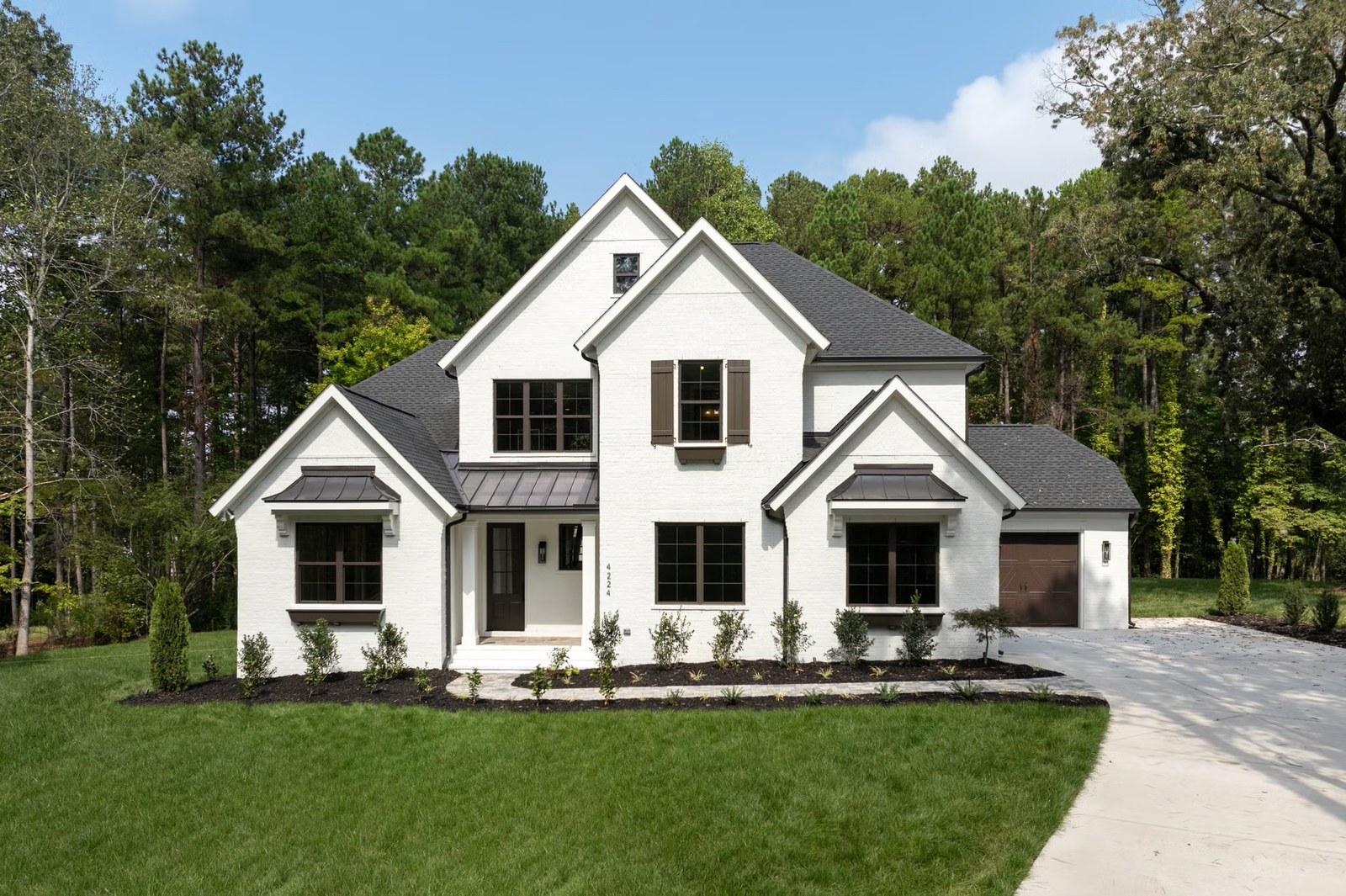
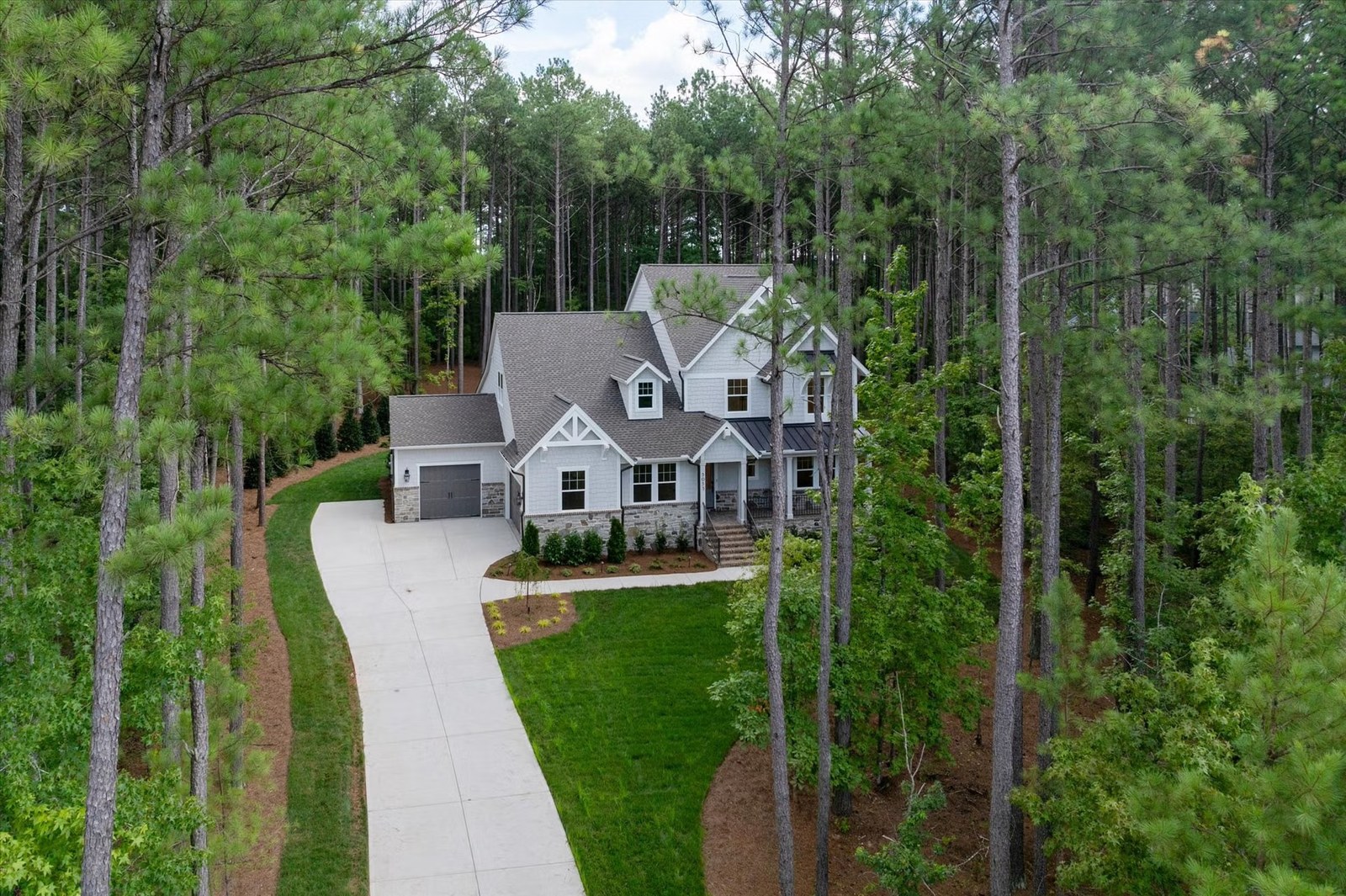
A white Carolina farmhouse set deep in pines at the end of a long drive
The short answer

For a first-time buyer in Charlotte, 2026 is a good time to buy if your life is ready — stable income, a few years of intended stay, savings that leave a cushion after closing — and a poor time if it isn't, regardless of what the market is doing. As of mid-2026, conditions are more balanced than the frenzy years: more room to negotiate, more time to think, fewer forced decisions. That doesn't make the market cheap; it makes it navigable. Meanwhile, waiting has a real cost that rarely gets counted — every year of waiting is rent paid out and equity not begun — so "waiting for the perfect moment" is itself a financial decision, not a neutral one. Life timing decides. The market just sets the terms.

Is 2026 a good time to buy a first home in Charlotte?

"Is it a good time to buy?" is the question every first-time buyer asks, and I want to be honest about what it usually means. It rarely means "please analyze the market for me." It usually means "I'm about to make the largest financial decision of my life, and I'm afraid of getting the timing wrong." That fear deserves a real answer, not a pep talk — so let me give you the real one, in three parts: why the question is framed backwards, what mid-2026 actually looks like for someone in your position, and what waiting genuinely costs.

One thing you should know up front: I sell homes for a living, which means I have an interest in your answer. That's exactly why everything below is built to be checkable against your own situation rather than taken on faith — including the section on when not to buy.

Should you time the market or time your life?

Here's the uncomfortable truth about market timing: to do it well, you'd have to correctly predict the direction of home prices and the direction of borrowing costs and the moment they align — and then have your deposit, your paperwork, and your nerve ready at precisely that moment. Professionals with research desks don't reliably do this. A first-time buyer doing it between work and life won't either. The people who "timed it perfectly" in any market mostly got lucky, and the ones who tell you to wait for the perfect window are asking you to gamble on a forecast.

Life timing, by contrast, is knowable. You can actually answer these:

  1. Will you stay put? A first home generally rewards you if you'll hold it for several years — long enough for the costs of buying and selling to be absorbed and for ownership to start compounding in your favor. If your job, relationship, or city could realistically change within a couple of years, that's a real reason to wait. Not a market reason — a life reason.
  2. Is your income stable enough to be boring? Not large — stable. A modest, predictable income supports a home better than a big, volatile one.
  3. Will you have a cushion after closing? If buying empties every account to zero, you're not ready yet — not because the market says so, but because a home with no margin behind it doesn't feel like sanctuary; it feels like exposure.

If those three are true, you're ready in every way that's actually predictable. If they're not, no market condition fixes it. That's the whole hierarchy: life timing decides whether; the market only shapes how. And "how much home" is its own honest conversation — how much house you can actually afford in Charlotte is where I'd have it, because the comfortable number and the approved number are rarely the same number.

What does the 2026 Charlotte market mean for a first-time buyer?

I won't hand you invented statistics — precise numbers rot within a season, and a first home is not a decision to build on someone's stale figures. But the shape of the market matters, and as of mid-2026 the shape is this: Charlotte has settled into something more balanced than the frenzy years, when homes drew crowds of offers within days and first-time buyers were routinely outbid by cash or pressured into waiving the protections that exist for their benefit.

What "more balance" means for you, practically:

  1. You have time to think. Not unlimited time — well-priced homes in loved neighborhoods still move — but the days of deciding in one showing are, for most homes, behind us. A first-time buyer can sleep on it. That alone changes the quality of the decision.
  2. You have room to negotiate. Asking prices are opening positions again, not floors. Repairs can be requested. Terms can be discussed. In the frenzy years, negotiation was a luxury; now it's a normal part of the process — and it's where good representation earns its keep.
  3. Your protections stay intact. Inspections and appraisal protections — the things buyers were pressured to waive when competition was fiercest — are back to being standard. For a first purchase especially, this matters more than any price movement: it's the difference between buying a home and buying a surprise.
  4. What balance doesn't mean: cheap. Charlotte has grown for years and the growth is real; the city's affordability question is genuinely more complicated than a yes or no. Balance means navigable, not bargain. You're buying under reasonable conditions, not stealing anything.

Put plainly: mid-2026 is a market that lets a first-time buyer be deliberate. After years when deliberateness was punished, that's not nothing — for a first purchase, it may be the condition that matters most.

Want to know if you're actually ready — not vibes, your specifics? The Move Quiz takes about two minutes: your timeline, your budget picture, what you're solving for. You'll get a clear read on where you are and what your next step actually is.

What does waiting another year actually cost you?

Waiting feels free. It isn't — it's just that its costs are invisible while buying's costs are printed on documents. Here's the ledger, conceptually, because the concept is what holds:

Rent is the visible cost. Every month you wait, a rent payment leaves and buys you zero ownership. Over a year or two of "waiting for the right moment," that's a significant sum spent on housing that builds nothing — money you'd have partly recaptured as equity in a home you owned. Rent isn't wasted (it buys flexibility, and flexibility has real value), but it must be counted, and waiters rarely count it.

Forgone equity is the invisible one. From your first month of ownership, part of every payment retires your own loan instead of someone else's, and any long-run appreciation accrues to you. Waiting postpones the start of that compounding — and compounding penalizes late starts more than almost any other mistake. You don't feel this cost monthly. You feel it in year seven, as the gap between where you are and where you'd have been.

And the perfect moment doesn't announce itself. The buyers who waited for prices and borrowing costs and selection to all be ideal at once are, for the most part, still waiting — because when conditions improve for buyers, competition returns and eats the improvement. The window they're imagining tends to be visible only in hindsight.

So the honest framing isn't "buy now vs. buy cheaper later." It's "start compounding under decent, navigable conditions now" vs. "pay rent while gambling that a better window arrives and that you'll catch it." When your life is ready, that trade usually — not always, usually — favors starting.


A cream Charlotte dining wall in morning light
Life timing beats market timing almost every year that matters.

When is waiting the right call?

Honesty cuts both ways, so here it is: some people reading this should wait, and I'd tell them so in person.

Wait if your horizon is genuinely short — if there's a real chance you'll need to leave Charlotte or trade up within a couple of years, the round-trip costs of buying and selling can erase what ownership built. Wait if the purchase would leave you with no cushion; a home that consumes your entire margin is a stress asset, whatever the market does. Wait if your income is in genuine flux — a new venture, an uncertain contract — until it settles enough to be boring. And wait if you'd be buying primarily out of fear of missing out, because a first home chosen under panic gets chosen badly, and the cost of the wrong house dwarfs the cost of a few more months of rent.

None of these are market conditions. All of them are life conditions. That's the pattern of this whole question.

How do you decide whether to buy now or wait?

Strip everything above down to a sequence and it's this: First, run the life test — stayable years, boring income, post-closing cushion. If any of the three fails, the answer is "not yet," and that answer is a form of self-respect, not a defeat. Second, if the life test passes, stop trying to time the market and start positioning in it — get clear on your real budget, get your financing conversation done early, and learn your target neighborhoods well enough that you'll recognize the right home when it appears. Third, buy like someone who plans to be here a while — because the first home decided with the long game in mind is the one that funds the next chapter, and choosing it is less about the year on the calendar and more about knowing what $700K actually buys across Charlotte.

And if you want the shortest path from "wondering" to "clear," start with the Move Quiz. Two minutes, and you'll know whether 2026 is your year — or what has to be true before it is.

If the answer is this year, the next decision is who represents you — here is how to choose a first-time buyer agent in Charlotte.

Does the month you buy in Charlotte matter?

There is a specific way this question goes wrong, and it is not getting the season wrong. It is using the season as the next reason. Spring is too competitive, so you will look in the fall. The fall is too thin, so you will wait for spring. Two years pass this way, and they never once feel like waiting — every individual postponement felt like good judgment at the time, which is exactly what makes the pattern invisible from inside it.

So, honestly, on both halves: at the margin the month matters; against the life test above, barely.

Charlotte's for-sale inventory moves with two calendars — the school year and the corporate relocation year — and in a metro that grows mostly by people arriving from somewhere else, both push the same direction. Spring and early summer bring the most listings and the most competition at once. Late autumn and the weeks around the holidays bring far fewer of both.

What that means for a first-time buyer is not "buy in December." It is that the two seasons ask different things of you. In a spring market, selection is wide and your job is decisiveness — a ranked list and financing already arranged, so you can move on the right house the day it appears. In a quiet market, selection is thin and your job is patience plus a willingness to ask: a seller still listed through the holidays is usually a seller working against a deadline, and that is a negotiating position you can read.

I would rather you know what does not move with the season, because that is where the decision actually lives. Your rate lock runs on your timeline, not the calendar's. Your due diligence period is whatever you negotiate it to be. Program eligibility — income, credit, first-time status — turns on your circumstances and the program's published limits, not on the month. And the three life questions this page opened with are entirely indifferent to the season.

So treat timing the way you would treat weather on a long drive: worth checking, never worth postponing the trip for. Verify the shape of the market when you are ready to move by reading Canopy MLS's monthly Charlotte report rather than anyone's recollection of last year.

The month you buy in will be a footnote in this story. The number of seasons you spent deciding will not — that one shows up as rent you are still paying and a balance you have not started building, and unlike the season, it compounds. If the life test passes, the calendar is not what is stopping you. Which is either a relief or an inconvenience, and only you know which one you just felt.

Sources

  1. Freddie Mac — Primary Mortgage Market Survey
  2. Canopy Realtor® Association / Canopy MLS — monthly Charlotte market reports
  3. National Association of REALTORS® — Profile of Home Buyers and Sellers
  4. North Carolina Housing Finance Agency — programs for first-time buyers
  5. North Carolina Association of REALTORS® / NC Bar Association — Offer to Purchase and Contract (Form 2-T)

Described generally and current as of publication; figures and programs change. Eridania M. Bonilla is a licensed North Carolina broker (NC 359549) with Better Homes and Gardens Real Estate Paracle; each office is independently owned and operated. Equal Housing Opportunity. Not lending, tax or legal advice.

Sixty seconds, no pressure

Which territory are you in?

The Move Quiz maps where you actually are — timeline, budget band, and what you are solving for — in about a minute.

Take the Move Quiz →

Frequently asked

Is 2026 a good year for first-time buyers in Charlotte?

If your life is ready — several intended years in place, stable income, a cushion after closing — then yes, conditions as of mid-2026 are workable and notably calmer than the frenzy years: more negotiation room, intact buyer protections, time to decide well. If your life isn't ready, no market condition changes the answer.

Should I wait for prices or rates to drop before buying?

Waiting for both to be ideal simultaneously is a forecast, not a plan — and when conditions improve for buyers, returning competition tends to eat the improvement. Meanwhile waiting has a real cost: rent paid out plus equity compounding you never started. Decide on life timing; use market conditions to negotiate, not to schedule your life.

How do I know if I'm ready to buy my first home?

Three checks: you can realistically stay in the home for several years; your income is stable enough to be predictable; and buying would still leave you a genuine cushion, not a zero balance. Pass all three and you're ready in every knowable way. Fail one and "not yet" is the strong move.

Is it cheaper to rent or buy in Charlotte right now?

Month to month, renting often looks cheaper — but the comparison hides the ledger. Rent builds nothing; a mortgage payment partly pays you. Over a multi-year horizon, ownership's compounding usually wins for someone who stays put, while renting wins for someone who needs flexibility. The honest answer depends on your horizon, not the headline.

Should I wait for interest rates to drop before buying my first home?

Waiting on rates is a bet on two unknowns at once — where rates go and where prices go with them. A rate can be refinanced later; a purchase price is fixed on the day you sign. Decide on your own timeline and reserves, then take the rate the market gives you.

What is the best month to buy a house in Charlotte?

There isn't one, and the month matters far less than whether your own situation is ready. Spring and early summer bring the widest selection and the most competition together; late autumn and the holidays bring fewer listings but often a seller working against a deadline. Your rate lock, your due diligence period and your program eligibility all run on your timeline rather than the calendar's.

A sage sunroom with quiet afternoon light
The year is a smaller variable than the house.
Eridania M. Bonilla, REALTOR®
Your guide
Eridania M. Bonilla
REALTOR® · Better Homes and Gardens Real Estate Paracle

I help Charlotte families buy, move up, and relocate without losing their footing — treating the whole thing as one calm decision instead of a pressured scramble. Twenty-five years in brand and design before real estate taught me that how a place feels is the whole point.

Atención completa en español — escríbeme con confianza.

The quiet letter

One thoughtful note a month

Neighborhood reads, market truth, and the occasional exhale. No noise — unsubscribe anytime.