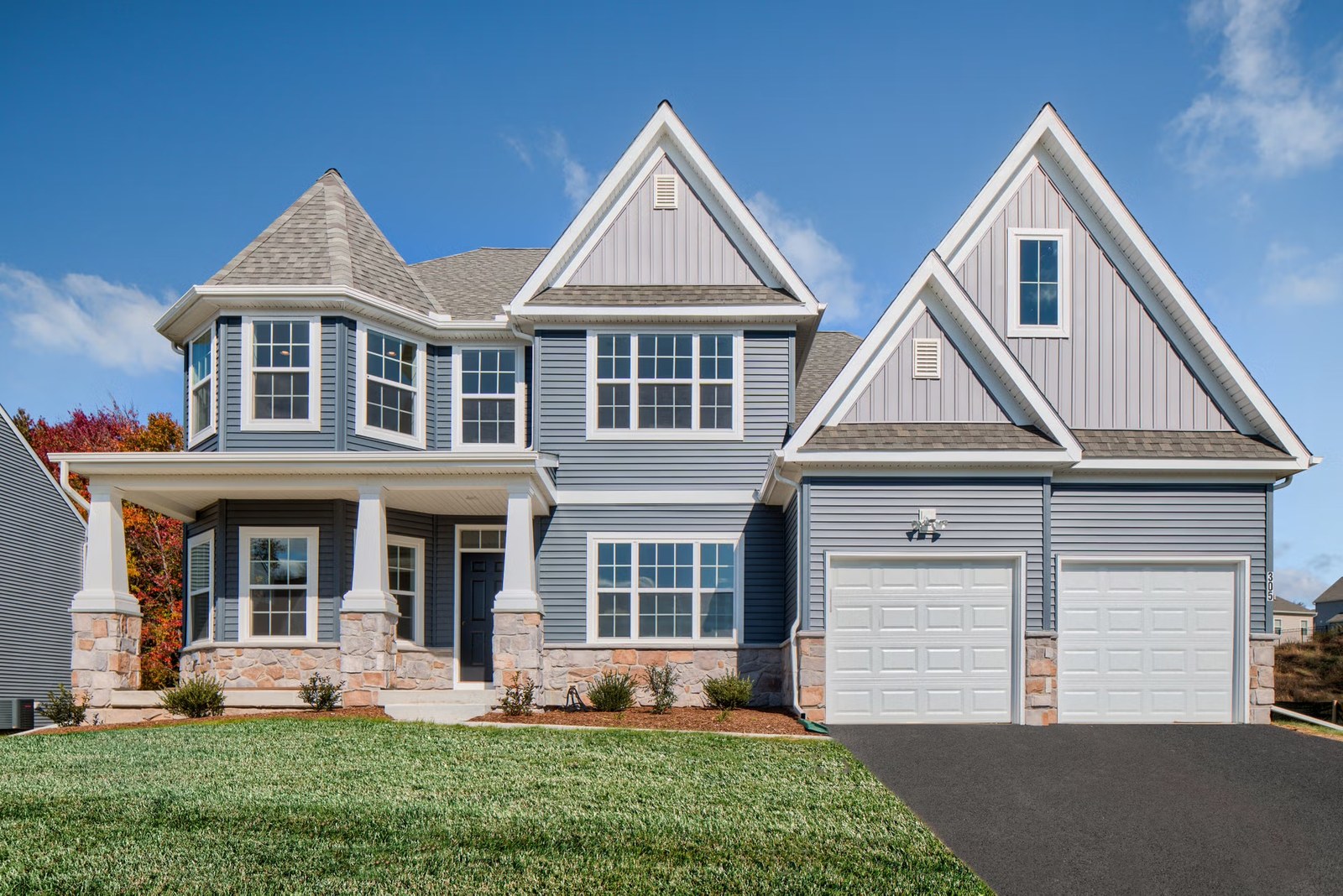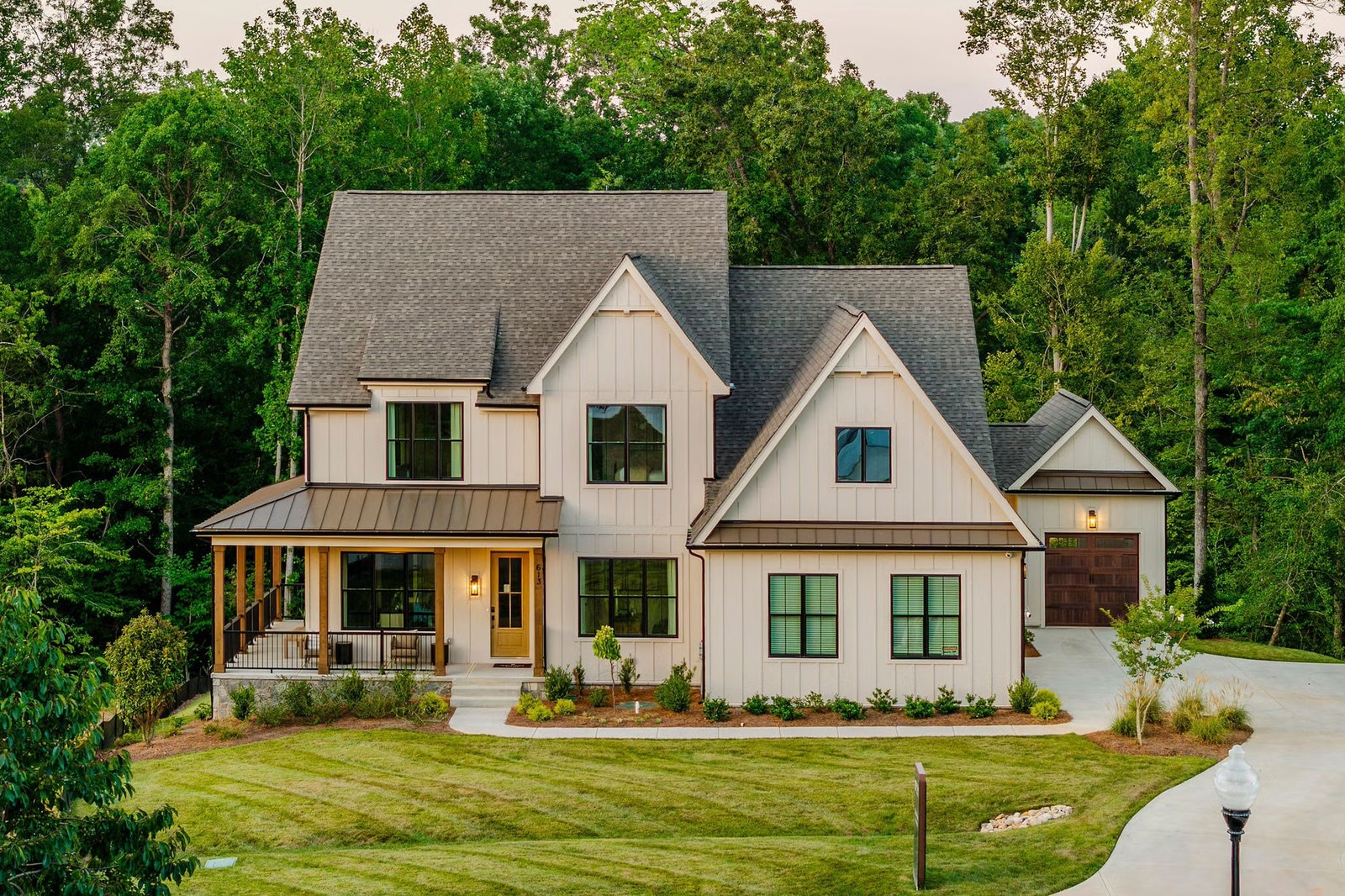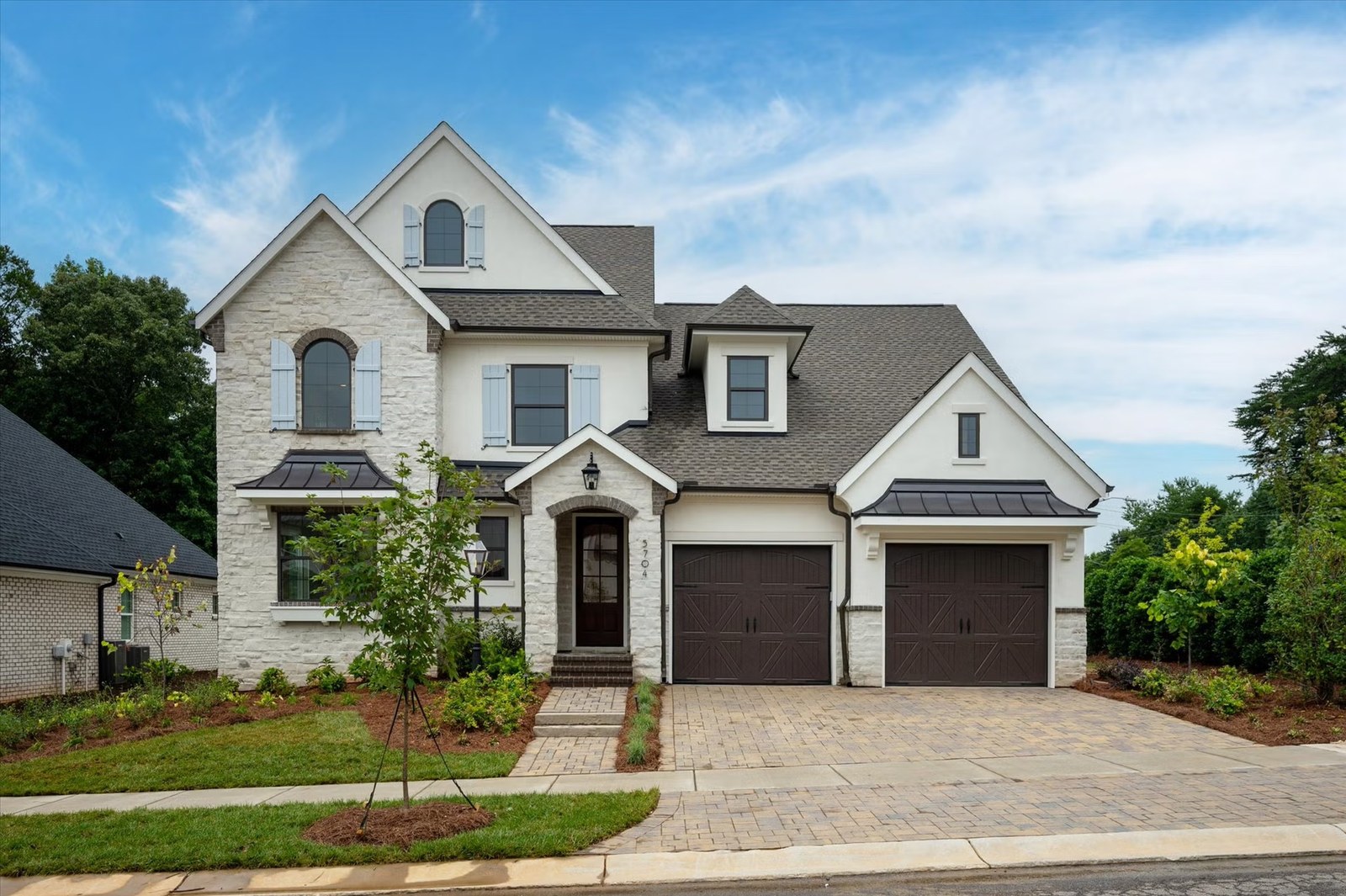
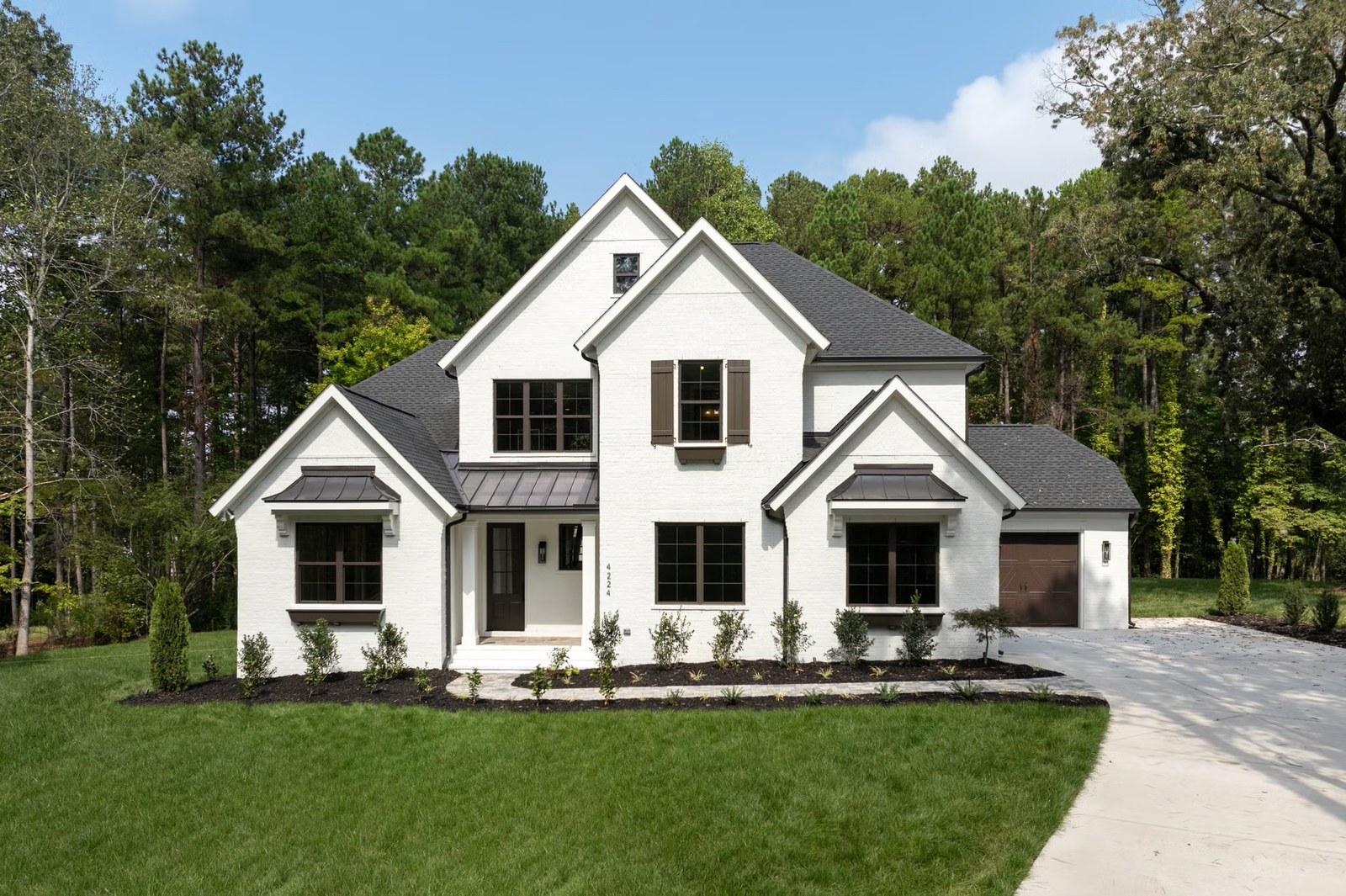
There are three ways to sell and buy at the same time in Charlotte: Sell First (sell, then buy with a negotiated rent-back so you don't move twice), Buy First (secure the next home, then sell with bridge financing or reserves to cover the overlap), and the Bridge (modern buy-before-you-sell tools and coordinated back-to-back closings that do both almost simultaneously). The right path depends on three things — how much financial overlap you can carry, how disruptive a double move would be for your household, and how fast your timeline is. The single biggest mistake isn't choosing the "wrong" path; it's choosing no path and listing your home before you've planned the in-between.
What makes selling and buying at the same time so hard?
When a move-up seller calls me, they think their problem is price — what their home will sell for, what the next one costs. It almost never is. The thing actually keeping them stuck is a smaller, quieter question: if I sell this house and buy the next one, what happens in between?
That gap — the space between closing on your sale and closing on your purchase — is where good moves go sideways. It's the source of both nightmares: moving twice into a rental, or carrying two mortgages while your old home sits. And here's the part most people miss: the gap is almost entirely preventable. Not by luck. By choosing a path on purpose, before you list a single photo.
Should you treat selling and buying as one decision or two?
The mental error underneath all the stress is this: you're picturing two separate events — a sale over here, a purchase over there — and white-knuckling the space between them. It isn't two events. It's one connected move. When you plan it as one, the in-between stops being a cliff and becomes a step. There are three ways to take that step.
What does selling first actually involve?
You list and sell your current home, but you negotiate a rent-back or extended close so you stay put for a few weeks after it sells, while you close on the next one.
- Why it's strong: you know your exact equity before you spend it, you never own two homes at once, and you shop as a non-contingent buyer — a genuine advantage in Charlotte's tighter market.
- Best for: sellers who want the least financial risk and have a little flexibility on where they land.
- The honest risk: finding the next home inside your window. The fix: we map your target neighborhoods and what's realistically available before your home goes "coming soon," so you're never selling-first-and-praying.
What does buying first actually involve?
You secure the next home before you sell, move once on your own schedule, then sell your old home vacant and staged — which usually shows better and sells faster.
- Why it's the dream version: no rental, no rush, one move.
- Best for: families for whom a double move is genuinely painful — kids, pets, a home office — and who have the income or equity to carry a short overlap.
- The honest risk: owning two homes for a stretch. The fix: before you write an offer, we pressure-test it — what your current home realistically sells for, how long that takes in your neighborhood today, and the true cost of the overlap if it runs long. If those numbers feel safe, Path 2 is wonderful. If they don't, we look at Path 3.
What is a bridge, and when does it make sense?
The set of tools that lets you do both almost at once: bridge loans, modern buy-before-you-sell programs that unlock your equity early, and tightly coordinated back-to-back closings — sometimes within days, occasionally the same day.
- Why it works: you dodge the rental and minimize the overlap.
- Best for: tight timelines and people who want neither nightmare and will pay a known, modest cost to skip the chaos.
- The honest risk: coordination — two transactions, two sets of dates, two lenders. The fix: one person quarterbacking both sides so the dates don't fall out of sync. That's the entire game on Path 3.